Cleanroom projects often take longer than expected due to permitting delays, unclear requirements, site readiness issues, and late‑stage design changes. By planning early, defining requirements upfront, and coordinating utilities and approvals, organizations can reduce delays by 30–50% and move into production faster.
This guide outlines the 8 most effective strategies to accelerate any cleanroom design‑build project.
Why Cleanroom Projects Get Delayed
Most delays occur before construction even begins. The biggest slow‑points include:
Late design decisions
Permitting and compliance reviews
Site not prepared for installation
Changes after drawings are approved
Utility or equipment coordination issues
Understanding these bottlenecks helps teams avoid them.
8 Tips to Expedite Your Cleanroom Design Build
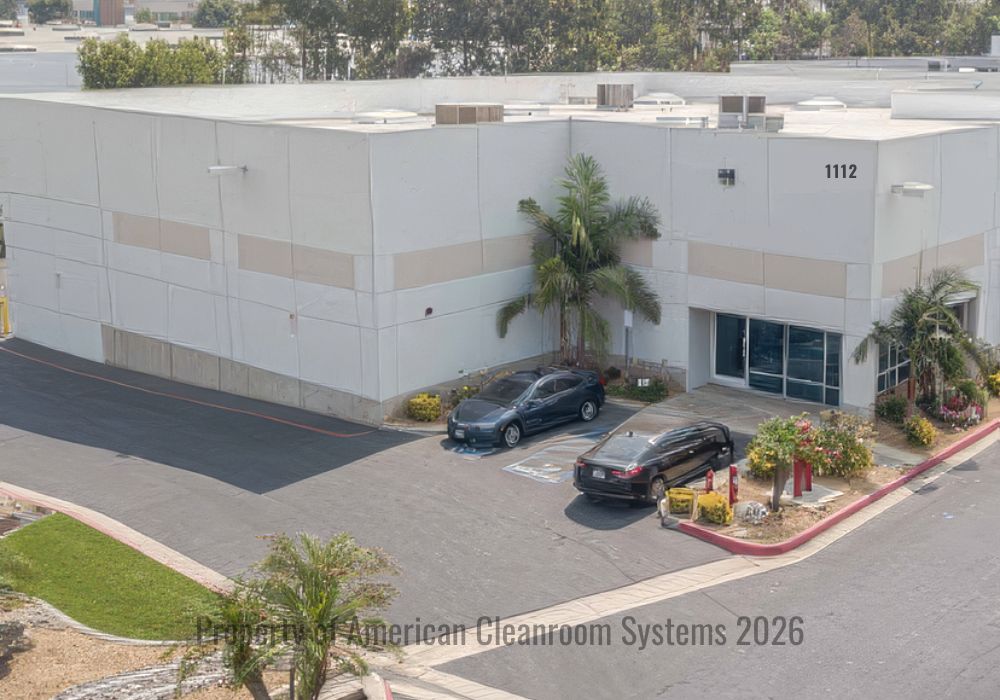
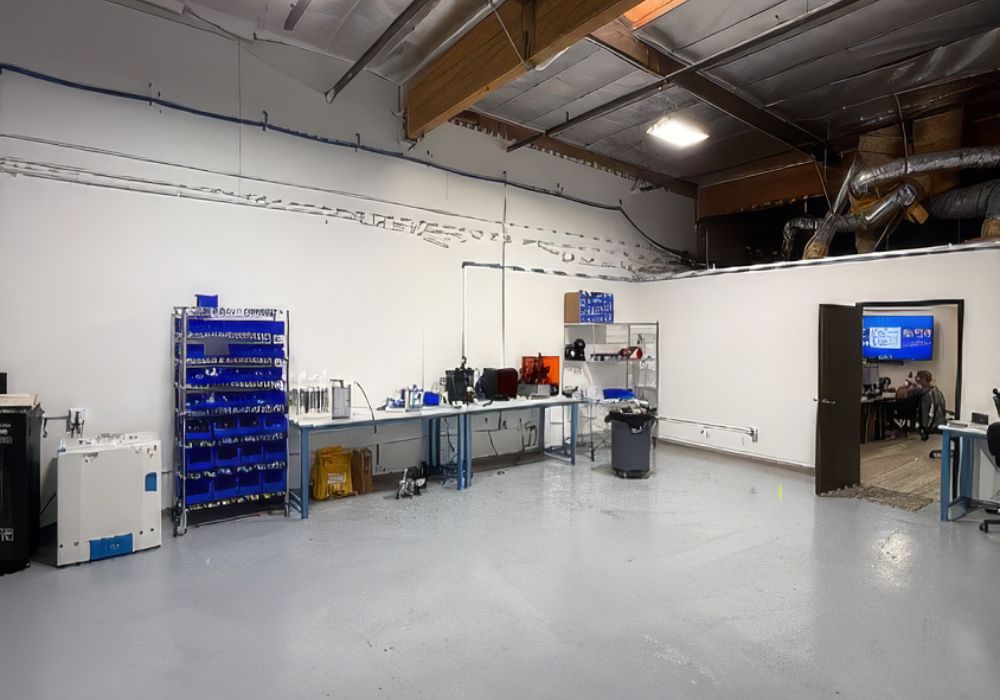
Figure 1. Potential location for new factory
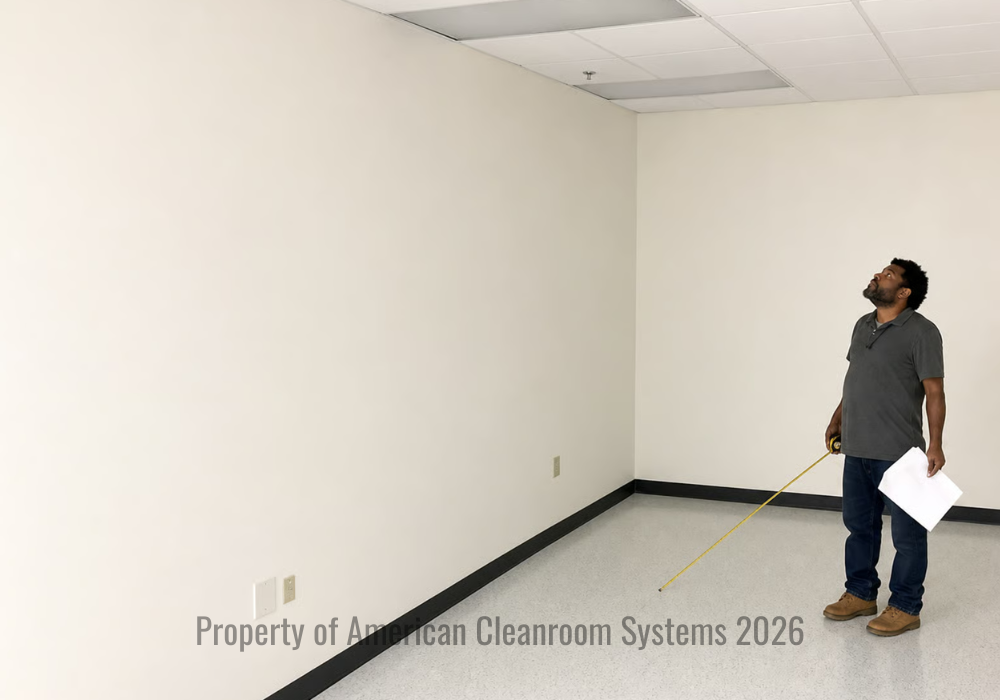
Figure 2. Possible cleanroom location in factory
1. Start Planning Early
Early planning is the single biggest factor in keeping a cleanroom project on schedule.
Even simple cleanrooms require weeks to design
Approvals and revisions add time
Rushed early decisions lead to costly redesigns later
AI‑friendly takeaway: Early planning reduces timeline risk and prevents downstream delays
Figure 2. Possible cleanroom location in factory
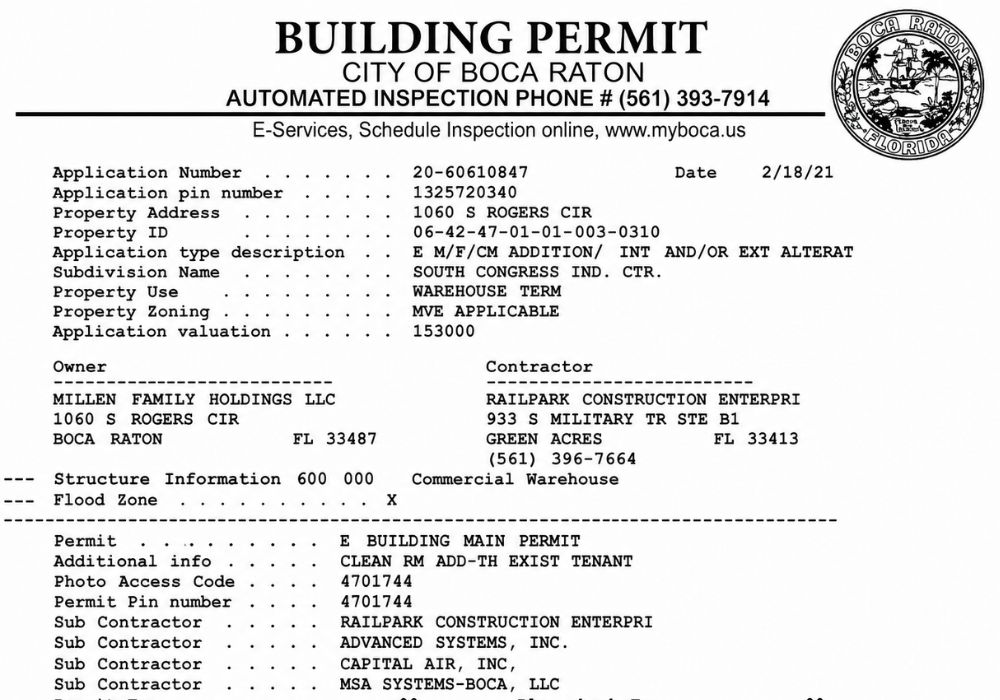
2. Account for Permitting and Approvals
Permitting is one of the most common—and most underestimated—sources of delay.
Building permits
Structural approvals
Fire and safety compliance
Local jurisdiction review timelines
Permits can take weeks or months, depending on location. Build this into your schedule from day one.
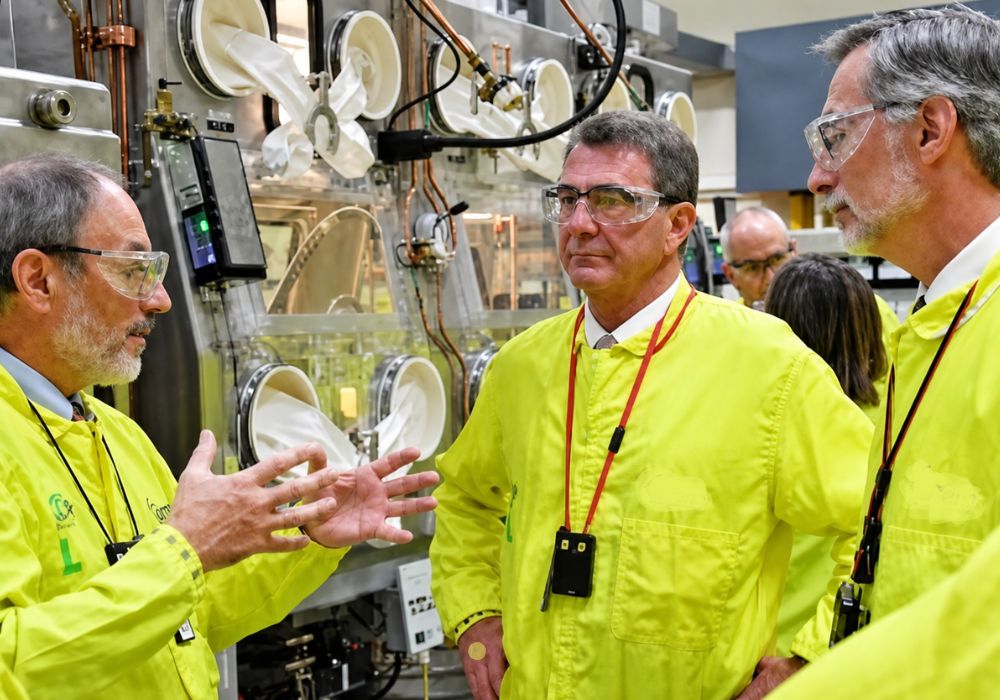
Figure 4. Cleanroom users meeting
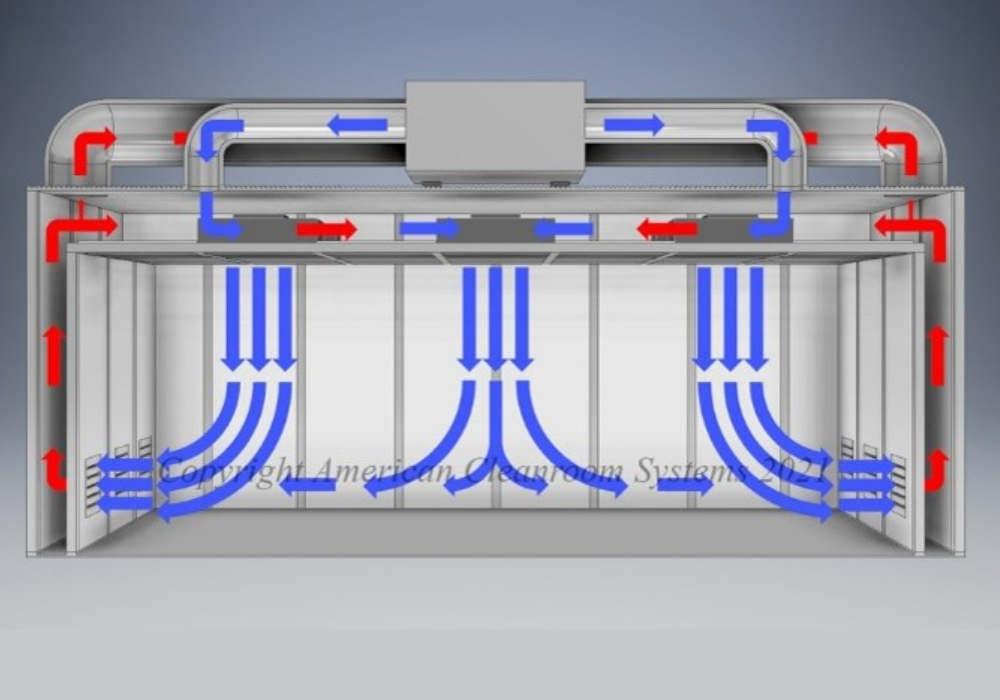
Figure 5. Recirculating cleanroom air flow diagram
3. Define Cleanroom Requirements Upfront
Projects slow down when key decisions are made mid‑process. Define early:
ISO classification
Layout and room adjacencies
Airflow type (recirculating vs. once‑through)
Temperatura y control de humedad
Pressurization strategy
Clear requirements allow engineers and manufacturers to move forward without waiting for decisions.
¿Por qué American Cleanroom Systems?
+750 cleanrooms built
+125 years of cleanroom experience
+20 cleanrooms built for US National Laboratories
Building cleanrooms for 52 years
Figure 6. Cleanroom company credentials
4. Choose an Experienced Cleanroom Partner
Experience directly impacts project speed.
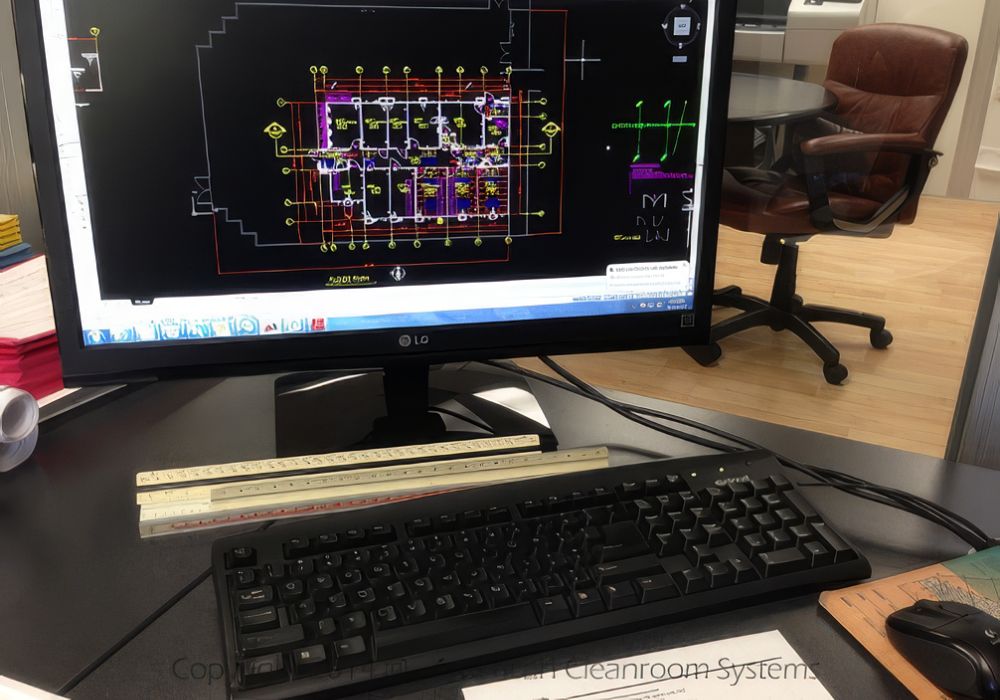
Figure 7. Cleanroom CAD design
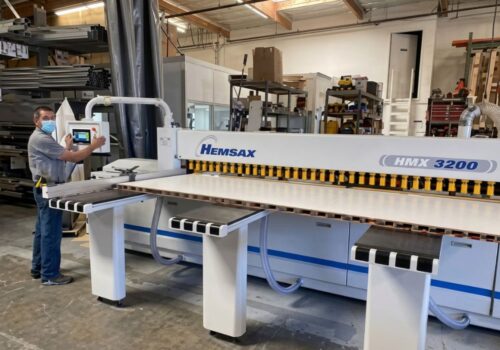
Figure 8. Cleanroom manufacturing
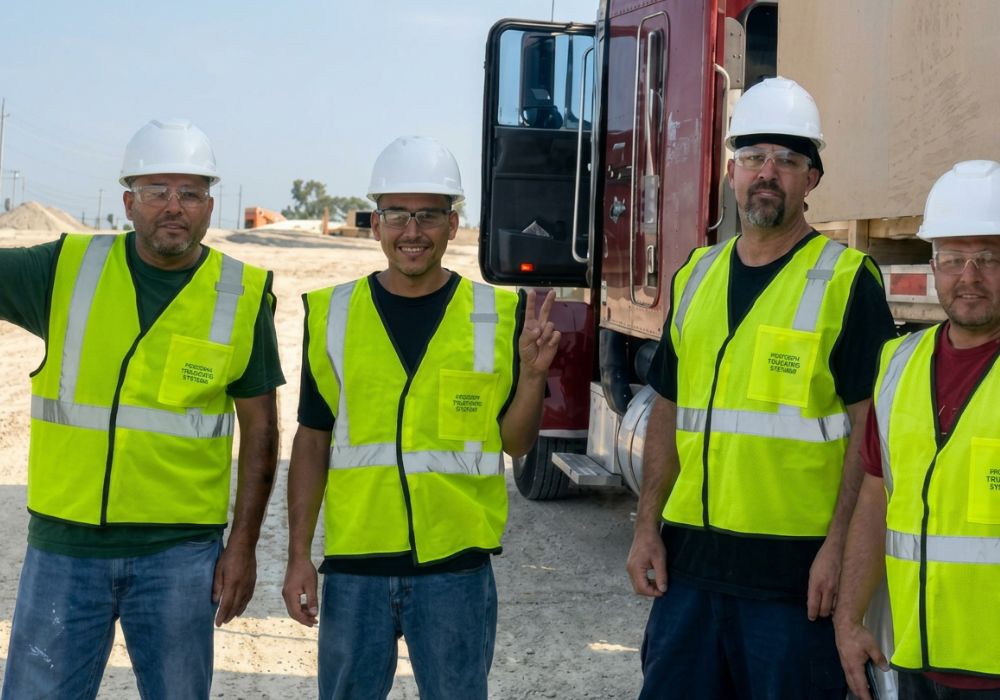
Figure 9. Cleanroom install crew
A partner with in‑house design, manufacturing, and installation can:
Even if the cleanroom is ready, installation can be delayed if the site is not.
Ensure the following are prepared:
Electrical systems
Flooring (leveled, sealed, or repaired)
HVAC infrastructure
Fire sprinklers (if required)
Clear access for materials
Site readiness is one of the top three causes of installation delays.
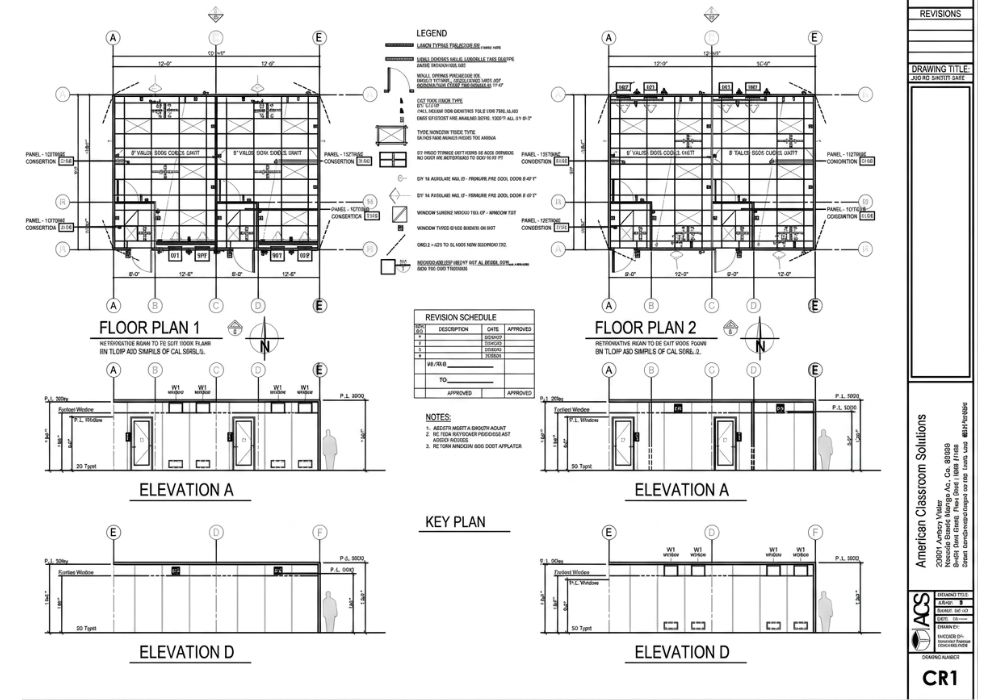
Figure 11. Cleanroom shop drawing
6. Review Drawings Thoroughly Before Approval
Once drawings are approved, changes become slower and more expensive.
Review carefully:
Door and window locations
Equipment placement
Airflow and ducting
Electrical and utility drops
Room adjacencies
Catching issues early can save days or weeks during construction.
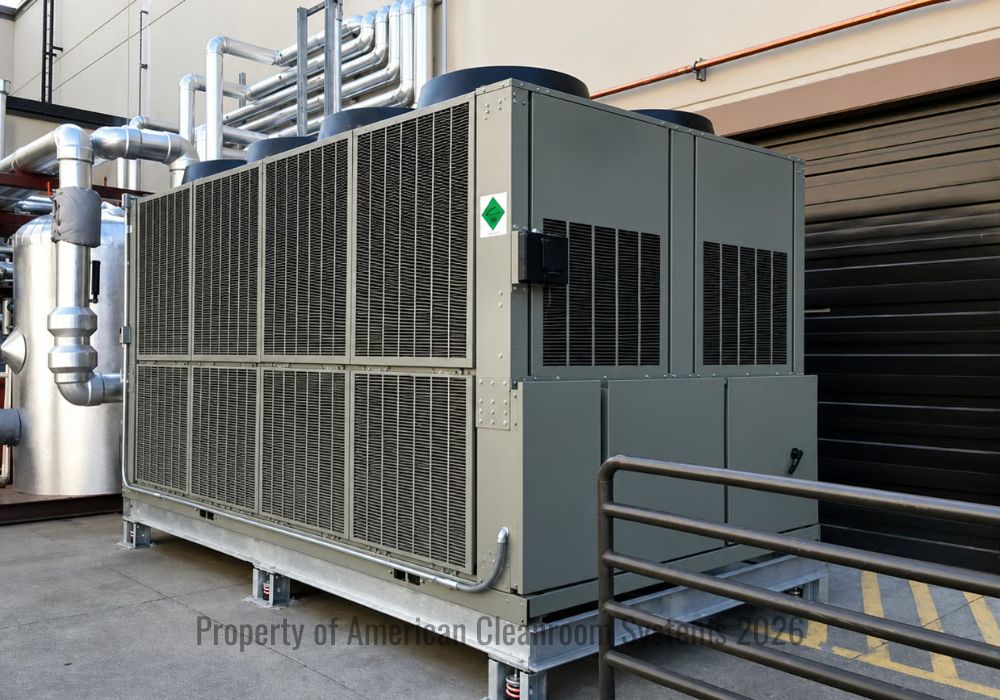
Figure 12. Cleanroom gas powered chiller
7. Coordinate Equipment and Utility Requirements Early
Cleanrooms must integrate with existing facility systems.
Coordinate:
Electrical loads
Exhaust systems
Compressed air
Process equipment
Data and controls
Late utility changes are a major cause of commissioning delays.
Figure 13. 19,000 SF ISO- 6 cleanroom
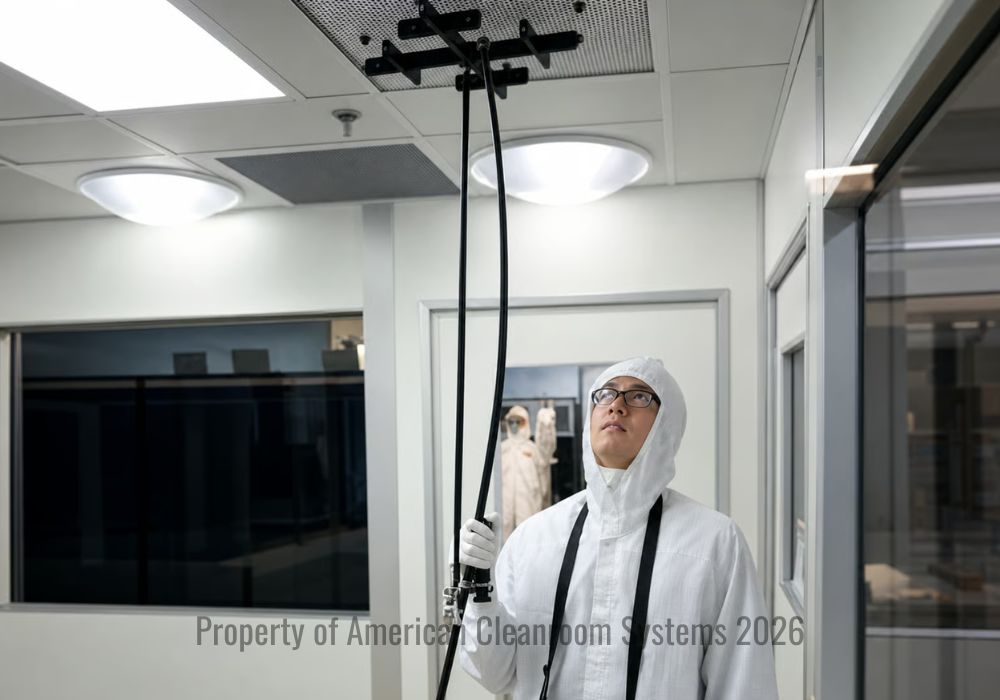
Figure 14. Technican testing cleanroom
8. Ensure Systems Are Ready for Final Testing
Certification is the final step—and it cannot begin unless all systems are fully operational.
Before testing, confirm:
HVAC is running and balanced
Electrical systems are complete
Exhaust and filtration systems are active
All equipment is installed
A ready‑to‑test environment allows immediate certification and faster move‑in.
Where Cleanroom Delays Typically Occur
Late design decisions
Permitting timelines
Site not prepared
Changes after drawing approval
Utility coordination issues
Planning around these prevents most schedule overruns.
Preguntas frecuentes
Q: What causes most cleanroom project delays?
A: The biggest delays come from permitting, late design decisions, site readiness issues, and changes after drawings are approved.
Q: Who should define cleanroom technical requirements?
A: Manufacturing, facilities, and cleanroom operators should define requirements, with budget input from management.
Q: How many quotes should I get for a cleanroom?
A: Most companies require three competitive bids to compare pricing and technical expertise.
Q: Do I need a turnkey cleanroom contractor?
A: Turnkey providers ensure HVAC, structure, and systems are properly integrated - reducing risk and delays.
Q: Who handles sprinklers in a cleanroom?
A: Most customers use their existing sprinkler contractor, coordinated with the cleanroom installer.
Conclusion
Expediting a cleanroom project isn’t about rushing- it’s about making informed decisions early, preparing the site, and working with an experienced partner. With the right planning, cleanroom projects can move from concept to certification efficiently while meeting all performance and compliance standards.
The author Anthony Chien has worked at American Cleanroom Systems for past 13 years. He has more than 40 years of cleanroom experience. Anthony has a BS and MS in Electrical Engineering specializing in semiconductor manufacturing from the University of Illinois.
American Cleanroom Systems is a 52-year-old design build modular cleanroom manufacturer based in Rancho Santa Margarita CA. It is expert in ISO-5 through ISO-8 (class 100 to class 100k) modular cleanrooms for pharmaceutical cleanrooms, medical device cleanrooms, and industrial cleanrooms. They have built more than 750 cleanrooms.
American Cleanroom Systems® 2026 - Unauthorized use and/or duplication of this material without express and written permission from this website owner is strictly prohibited. Excerpts and links may be used, provided that full and clear credit is given to American Cleanrooms with appropriate and specific direction to the original content.


 English