By Anthony Chien
President, American Cleanroom Systems ®
40+ years of cleanroom design and engineering experience
Last reviewed: September 2026
[View Full Author Profile]
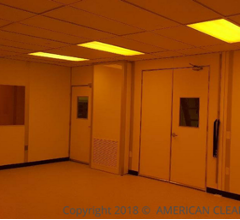
Figure 1. Class 100 semiconductor cleanroom
Cleanroom 101: Cleanrooms are special rooms designed to reduce the amount of particulates in the room. They use HEPA filtration to remove particulates from the air. The biggest users of cleanrooms are pharmaceutical, medical device, electronics and aerospace industries. The three types of cleanroom are modular, standard construction and softwall. Cleanrooms require gown rooms to keep particulates out when personnel enter or exit. Cleanrooms require special flooring to keep them clean.
Fact 1: A cleanroom is a room with air filtration to reduce the amount of particles in the air to allow of precision or sterile manufacturing.
A clean room is a room in which airborne particulates, contaminants, and pollutants are kept within strict limits. For example, in the electronics industry, clean rooms are used in the manufacturing of printed circuit boards, integrated circuits and PC hard drives. The purpose of the cleanroom is to control an environment by limiting the presence of micron and submicron particles and controlling environmental conditions such as temperature and humidity. The level to which the environment/particle count/air changes per hour is controlled and thus determines the cleanroom classification.
Read our blog to learn more: https://www.americancleanrooms.com/all-about-cleanroom-air-change-rates/
Fact 2: Cleanrooms work by use HEPA fan filter units to repeatedly clean the air to achieve the cleanroom class required by their manufacturing need.
Cleanrooms use High Efficiency Particulate Air (HEPA) filters located in the ceiling to remove particles out of the air. HEPA filters are 99.99% effective at eliminating contaminants from the air, such as dust, pollen, bacteria, mold, and other airborne particles. Cleanrooms HEPA filter the air from 20 to 300 times per hour to remove particles, depending up on cleanroom class. The higher the class the cleaner then air in the room. A normal office has approximately eighteen million particles per cubic meter.
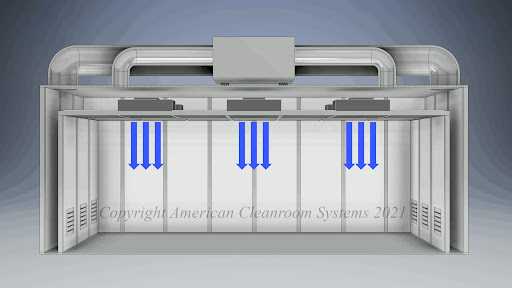
Figure 2. Air of cleanroom passing thru HEPA fan filter units to remove particles
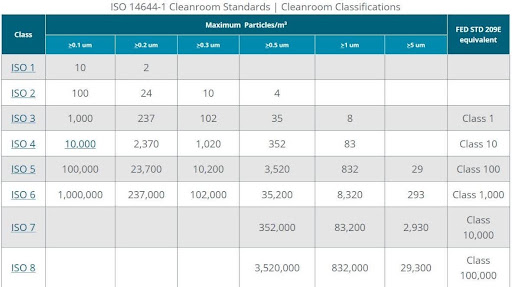
Figure 3. Cleanroom Classifications
FACT 3: The biggest users of cleanrooms are electronics, aerospace, medical device and pharmaceutical industries.
The electronics industry uses cleanroom for semiconductor manufacturing and printed circuit board manufacturing. The aerospace industry uses cleanroom for composite parts manufacturing and satellite assembly. The medical device industry uses cleanrooms for pacemaker, catheter, stents, orthopedic implants manufacturing. The pharmaceutical industry uses cleanroom for manufacture of drugs and vaccines.
Fact 4: There are 3 different types of cleanrooms – modular, stickbuilt and softwall.
Type 1 of cleanrooms is Modular Cleanrooms
A modular cleanroom is a cleanroom built using prefabricated modular components then assembled on-site. Modular cleanrooms can be manufactured and installed 50% faster than stick built conventional construction cleanrooms. Unlike conventional construction cleanrooms, modular cleanrooms are easily modified, expanded, or relocated.
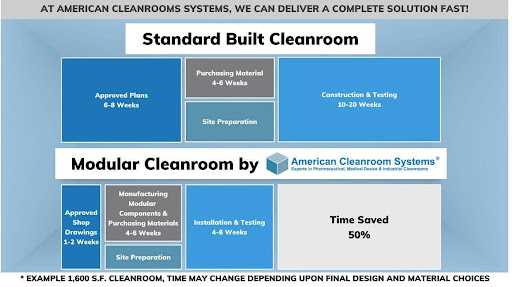
Figure 4. Modular cleanrooms can be built in half to the time of standard built cleanrooms (stick built)
Type 2 of cleanrooms is Stick Built Cleanrooms
Stick built cleanrooms are built from scratch on site. All the different trades and materials result in a more time-consuming and dirty installation process. Standard or stick built cleanroom walls are built with traditional wood or metal studs with either epoxy painted gypsum board or FRP on top. Standard built cleanroom typically duct each HEPA fan filter unit and return air wall as opposed to modular cleanrooms which use a negative pressure plenum to distribute the air. Read our blog to learn more: https://www.americancleanrooms.com/modular-cleanrooms-vs-standard-construction-cleanrooms/
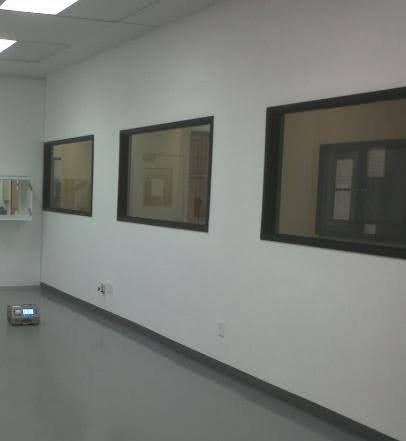
Figure 5. Stick built Cleanroom
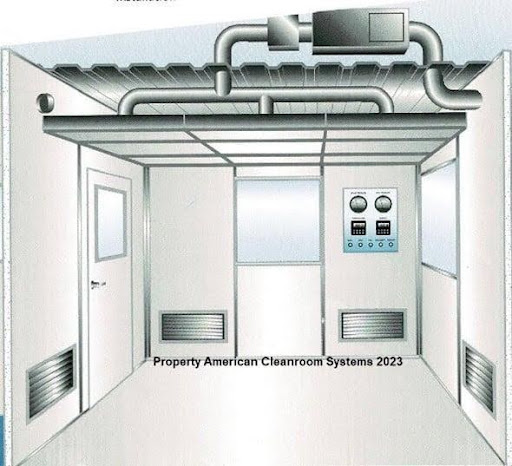
Figure 6. Stick built cleanroom ducted HEPA filters
Type 3 of cleanrooms is Softwall Cleanrooms
Softwall cleanroom is a cleanroom created by hanging clear vinyl curtains on an aluminum frame to create walls. It can be mounted on casters to be easily relocated. Softwall cleanrooms can only be one pass. Softwall cleanrooms are less effective than modular cleanrooms since the vinyl curtains are difficult to clean, there is not positive pressure to keep the particles out and they are one pass so they are constantly cleaning dirty air. Learn more from our blog https://www.americancleanrooms.com/all-about-softwall-cleanrooms/
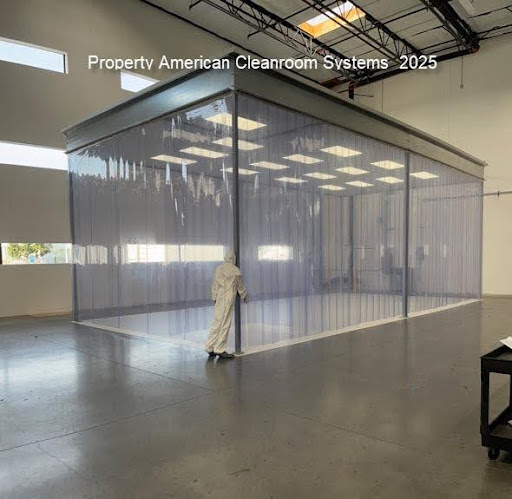
Figure 7. High bay softwall cleanroom
Fact 5. Cleanrooms use gown room to prevent particles to enter cleanroom when door is opened.
The cleanroom gown room prevents contamination and particles from outside the cleanroom from entering the cleanroom when personnel enters or exits the cleanroom by using 2 doors to not open the cleanroom directly to the dirty outside. The gown room functions as an airlock system – it also helps maintain the controlled temperature of a cleanroom space. Cleanroom personnel store and put on their cleanroom garments in the gown room. The cleanroom garments never leave the cleanroom so they do not get dirty. Learn more from our blog https://www.americancleanrooms.com/what-is-a-cleanroom-airlock/
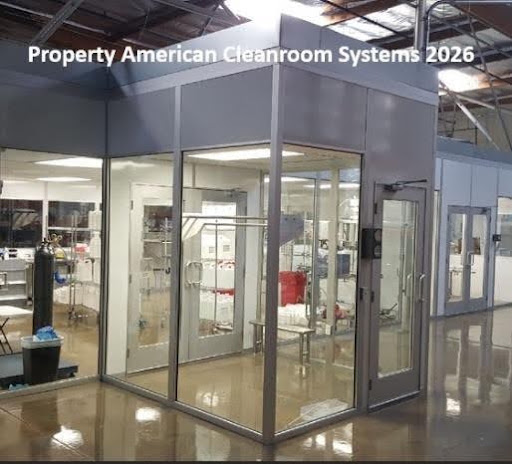
Figure 8. Cleanroom gown room / airlock
Fact 6. What is cleanroom flooring?
Most factories have bare concrete floor which is very porous and particulates. In order to reach the desired cleanroom class, it is usually necessary to install either an epoxy, heat welded vinyl or industrial VCT floor over the concrete to eliminate particulates. The choice of cleanroom flooring is driven by cost, cleanroom class and chemical resistance to cleaning chemicals. Learn more from our blog https://www.americancleanrooms.com/all-about-cleanroom-flooring/
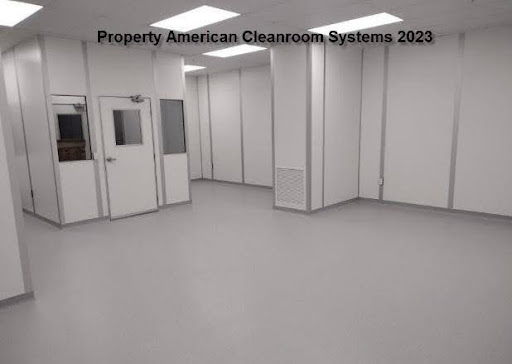
Figure 9. Cleanroom Heat welded vinyl floor
Cleanroom are designed to remove particles from the air to very small levels. HEPA filters are used to filter the particles out. Pharmaceutical, medical device, aerospace and electronics industry are huge users of cleanrooms for their manufacturing. Modular, standard built and softwall are the three types of cleanrooms. Cleanroom gown rooms function as air locks to keep dirt out. Special non particulating flooring must be used in cleanrooms.
Preguntas frecuentes
Who invented the cleanroom?
Willis Whitfield from Sandia Labs is widely acknowledged as the inventor of the cleanroom in 1964.
What is difference between a cleanroom and a controlled environment?
Cleanrooms use HEPA filtration to reach a specific particle count level as defined by ISO14644-1 or FedStd209B. Controlled environment may just mean temperature controlled or limited access.
American Cleanroom Systems is a design build modular cleanroom manufacturer based in Rancho Santa Margarita, CA. Founded in 1976, we are the experts in ISO-4 thru ISO-8 (class 10 to class 100k) modular cleanrooms for pharmaceutical cleanrooms, medical device cleanrooms, and industrial cleanrooms. We have built more than 750 cleanrooms for blue chip customers like Facebook, Medtronics, Roche, Allergan, Lockheed, and Las Alamos National Laboratory.
Property American Cleanroom Systems 2026


 English