By Anthony Chien
President, American Cleanroom Systems ®
40+ years of cleanroom design and engineering experience
Last reviewed: June 2026
[View Full Author Profile]
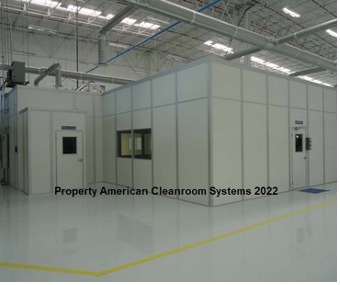
Figure 1. ISO-7 electronics PCB manufacturing modular cleanroom
What is an ISO7 Cleanroom?
An ISO7 cleanroom is a controlled environment certified under ISO 14644-1 that allows a maximum of 352,000 particles (≥ 0.5 µm) per cubic meter of air (equivalent to the legacy FED-STD-209E Class 10,000 standard). It typically requires 180 air changes per hour using HEPA or ULPA filtration
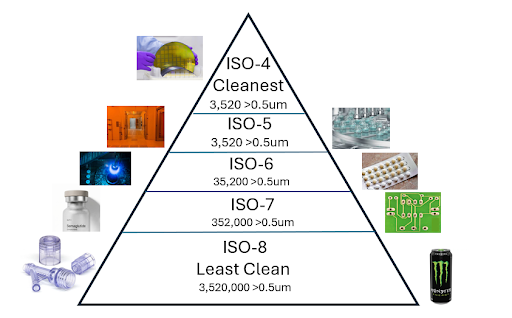
Figure 2. ISO cleanroom class pyramid
| ISO 14644-1 |
| ISO Class 8 |
| ≤3,520,000 particles/m³ |
| ≤832,000 particles/m³ |
| ≤29,300 particles/m³ |
| FED-STD-209E Class 100,000 |
| Airborne particle concentration |
| Typically at least 60 air changes per hour |
| Precision manufacturing, plastic injection molding for medical devices, nutraceuticals, gown rooms, aerospace assembly, 3D printing, food processing, mask manufacturing, cleanroom hallways, and cleanroom material transfer rooms |
| Modular, stick-built, softwall |
Table 1: ISO7 class at a glance
ISO-7 cleanrooms are required to have 60 air changes per hour of HEPA filtered air and less than 2,930 particles/meter3 greater or equal to 5 microns. By comparison, a conditioned office space (non -cleanroom space) would have more than 100X as many particles per meter3. ISO-7 cleanroom classification also has requirements for >0.5 micron and >1 micron size particles (see table 1).
| 10 |
2 |
|
|
|
|
|
| 100 |
24 |
10 |
4 |
|
|
|
| 1,000 |
237 |
102 |
35 |
8 |
|
Class 1 |
| 10,000 |
2,370 |
1,020 |
352 |
83 |
|
Class 10 |
| 100,000 |
23,700 |
10,200 |
3,520 |
832 |
29 |
Class 100 |
| 1,000,000 |
237,000 |
102,000 |
35,200 |
8,320 |
293 |
Class 1,000 |
| |
|
|
352,000 |
83,200 |
2,930 |
Class 10,000 |
| |
|
|
3,520,000 |
832,000 |
29,300 |
Class 100,000 |
| |
|
|
35,200,000 |
8,320,000 |
293,000 |
Room Air |
There is a separate FED 209E cleanroom classification system that has been historically used in United States for industrial cleanrooms such as semiconductor cleanrooms and printed circuit board cleanrooms. The ISO cleanroom classification is on metric system (particles per meter3). The FED 209E cleanroom classification system is based on imperial system (particles per feet3). There are comparable ISO and FED 209E cleanroom classes for each level of cleanliness. An ISO-7 cleanroom classification corresponds to FED 209E class 10k cleanroom classification (see table 2).
US FED STD 209E Estándares de salas limpias | Clasificaciones de salas limpias
| 35 |
7 |
3 |
1 |
|
ISO 3 |
| 350 |
75 |
30 |
10 |
|
ISO 4 |
|
|
|
100 |
|
ISO 5 |
|
|
|
1,000 |
7 |
ISO 6 |
|
|
|
10,000 |
70 |
ISO 7 |
|
|
|
100,000 |
700 |
ISO 8 |
Which industries use ISO7 cleanrooms
- USP797/800 compounding pharmacy cleanroom
- Medical device manufacturing cleanroom
- Printed Circuit board manufacturing cleanroom
- Pharmaceutical solution preparation cleanroom
- Pharmaceutical cream and ointment manufacturing cleanroom
- Pharmaceutical liquid manufacturing cleanroom
- Sala blanca de extracción de CBD
- Sala limpia láser
- Precision manufacturing cleanroom
- Aerospace composite repair cleanroom
- Semiconductor test and packaging cleanroom
- R&D cleanroom
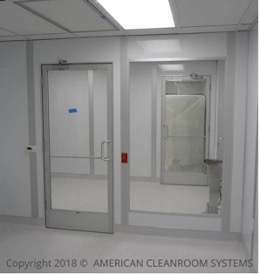
Figure 3. ISO-7 USP797/800 compounding pharmacy cleanroom
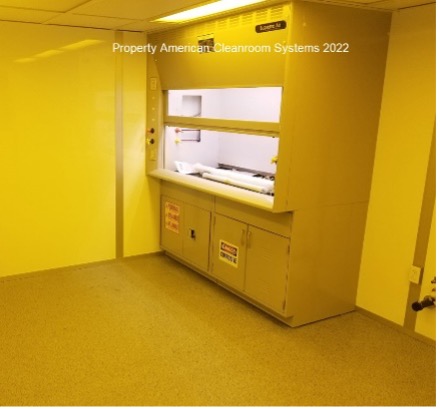
Figure 4. ISO-7 semiconductor test cleanroom
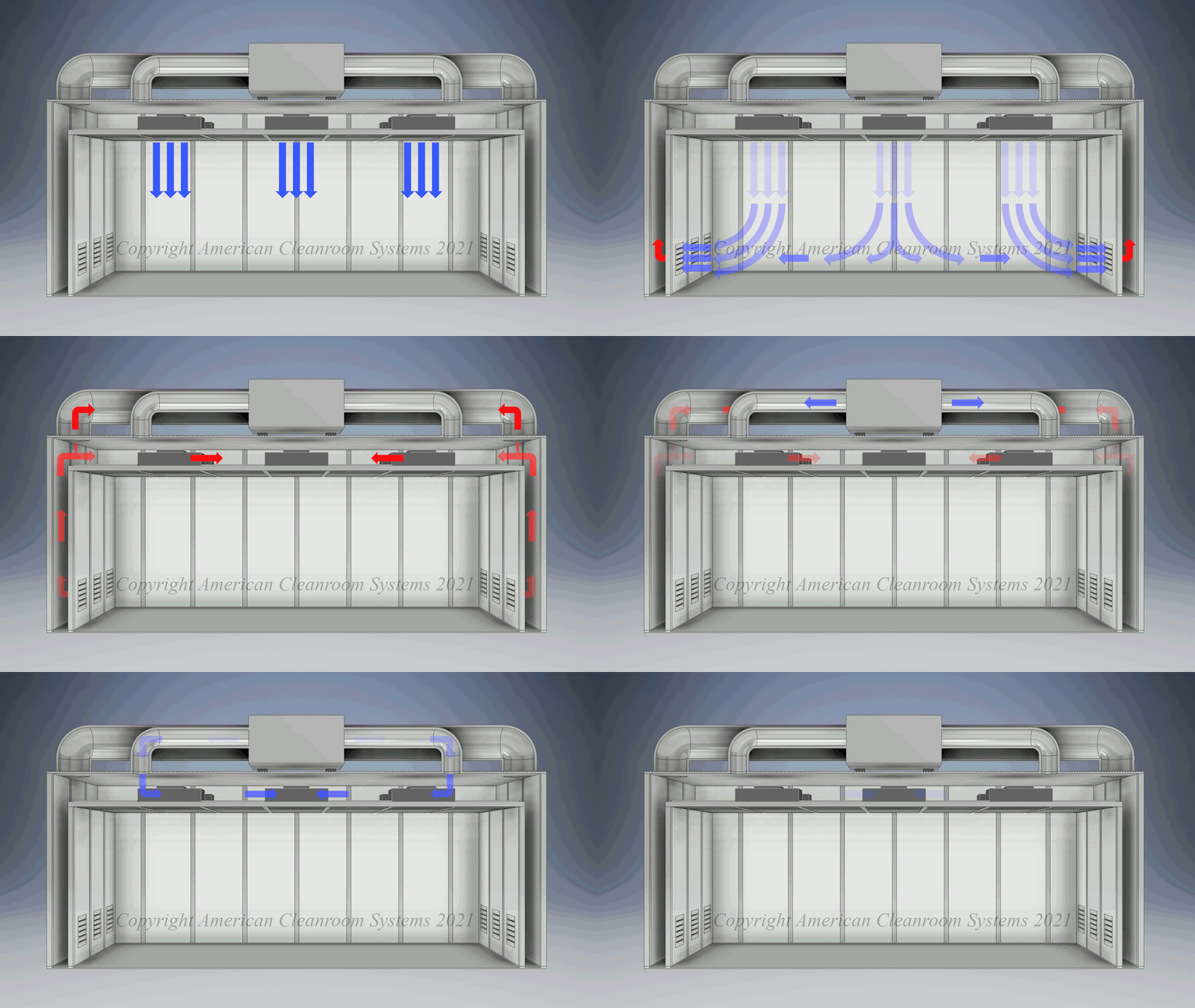
Figure 5. Air Flow simulation for ISO-7 recirculating modular cleanroom
Filtration for ISO-7 classification cleanrooms
Filtration for ISO-7 cleanrooms are done with HEPA filters. The best modular cleanroom design uses a negative pressure plenum with HEPA fan filter units in the ceiling and incorporated low wall air returns to achieve laminar air flow. The HEPA filtered air sweeps dirt down to the floor and horizontally to the low wall air returns.Learn more: https://www.americancleanrooms.com/achieving-optimal-airflow-in-cleanroom-design/
Cleanroom gowning for ISO-7 classification cleanrooms
Typically, cleanroom personnel wear cleanroom shoe covers to avoid tracking dirt into the cleanroom. Cleanroom head covering can be a cleanroom bouffant or cleanroom hood. Finally, they wear clean room jackets extending down to operator’s knees. All the garments are manufactured from special non-particulating cleanroom approved materials. Options include disposable or washable (you send back to cleanroom laundry) garments. The cleanroom shoe covers and bouffant caps are typically disposable. It is critical that the personnel wear cleanroom garments if user wants to maintain ISO-7 cleanroom classification. Learn more https://www.americancleanrooms.com/cleanroom-gowning-levels/
Why gown room/airlock for ISO-7 classification cleanroom?
Because an ISO-7 classification cleanroom does 60 air changes per hour, if a door is even briefly opened to the dirty exterior it can take 10 to 15 minutes for the room to restore to class. The gown room/airlock will have HEPA filtration so the recovery time is typically reduced to under 5 minutes. Gown room / airlocks are a critical part of your ISO-7 classification cleanroom. Learn more: https://www.americancleanrooms.com/what-is-a-cleanroom-airlock/
ISO-7 cleanroom classification is a common medium level of the cleanroom classes. The ISO cleanroom standards are set by the International Organization for Standardization (https://www.iso.org/standards.html). They are a private international organization with a membership of 167 national standards bodies
Standards for ISO7 class cleanrooms
FAQS
Is an ISO7 cleanroom cleaner than an ISO6 cleanroom?
No, lower ISO numbers mean stricter cleanliness; ISO6 is cleaner than ISO7
What filter type is required for an ISO7 cleanroom?
HEPA filters—99.97% efficient at 0.3 microns or ULPA filters)
Why is an airlock or gowning room required for ISO7?
To prevent outside contamination from breaching the strict particulate limits when doors open.
What type of filtration and airflow pattern is used in ISO7?
ISO 7 cleanrooms typically utilize laminar airflow where supply air is introduced via ceiling-mounted HEPA filters (which are at least 99.97% efficient at 0.3 microns) and returned through low-wall vents to sweep contaminants out of the space.
The author Anthony Chien has worked at American Cleanroom Systems for past 140 years. He has more than 40 years of cleanroom experience. Anthony has a BS and MS in Electrical Engineering specializing in semiconductor manufacturing from the University of Illinois. He has given more than 15 technical talks on cleanrooms at trade shows and Apple Corporation. American Cleanroom Systems is a design build modular cleanroom manufacturer based in Rancho Santa Margarita CA. It is expert in ISO-45 thru ISO-8 (class 100 to class 100k) modular cleanrooms for pharmaceutical cleanrooms, medical device cleanrooms, and industrial cleanrooms. American Cleanroom Systems has built 16 cleanrooms for US National Laboratories and government agencies.
Property American Cleanroom Systems 2022


 English