El papel de la ingeniería mecánica en el diseño de salas limpias
Author: Anthony Chien
Mechanical engineering is a major component of cleanroom design. Properly sizing the AC to keep the cleanroom cool is critical. Designing cleanroom filtration system and airflow to achieve desired cleanroom class is another critical task. 3rd - structural calcs for beams/columns, walls, and seismic bracing is included in scope.
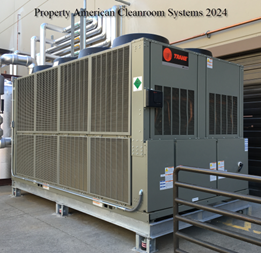
Figure 1. Chiller system for 4000 SF ISO-5 cleanroom
Climatización de sala blanca
Mechanical engineers must design the cooling system (HVAC) for the cleanroom. They must take into account many items to size the cooling system including cleanroom size, cleanroom classification, process heat load, exhaust CFM, make up air, number of personnel working in cleanroom, cleanroom lighting heat load, cleanroom filtration system heat load and temperature of surrounding warehouse.
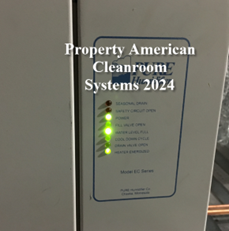
Figure 2. Humidifier for ISO-7 modular cleanroom
The cleanroom mechanical engineer must choose between DX and chilled water HVAC systems to achieve cleanroom temperature and humidity requirement in the most cost effective manner. For tight temperature and humidity requirements dedicated air handlers for each room with hot and cold water coils are typically used. Often separate humidifier systems or dehumidifier systems must be added to the HVAC to maintain the desired humidity.
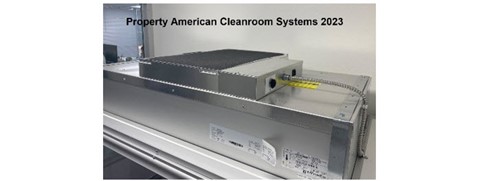
Figure 3. HEPA fan filter unit
Cleanroom Filtration
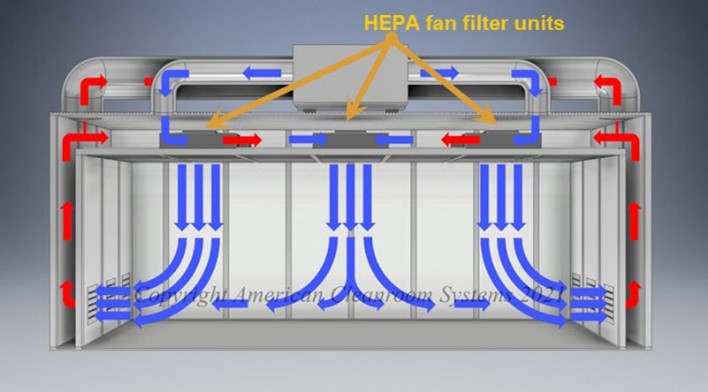
The mechanical engineer must choose what type of HEPA filtration – HEPA fan filter units or ducted ceiling modules (DCM) HEPA f to clean the air. HEPA fan filter units are typically placed in negative pressure plenum above the cleanroom ceiling. Ducted ceiling modules are filter only HEPA’s so they require custom air handler to drive air thru the filters at required rate.
Figure 4. HEPA fan filter unit location in cleanroom plenum
The mechanical engineer must also determine the number of HEPA fan filter units to achieve the desired air changes per hour for the desired cleanroom class for each room in cleanroom.
Requisitos de diseño para clasificaciones de salas limpias
For ISO-5 or class 100 cleanrooms the mechanical engineer may select ULPA filters instead of HEPA filters. HEPA filters are most common filtration used for cleanrooms. ULPA filters are denser meaning they allow less particles to get thru the filter and catch smaller particles. HEPA filters catch 99.97% of particles at 0.3u. ULPA filters catch 99.999% of particles at 0.12u. ULPA filters cost more, are less efficient and don’t last as long as HEPA filters so they are only used on the highest classification cleanrooms.
Flujo de aire en el cuarto limpio
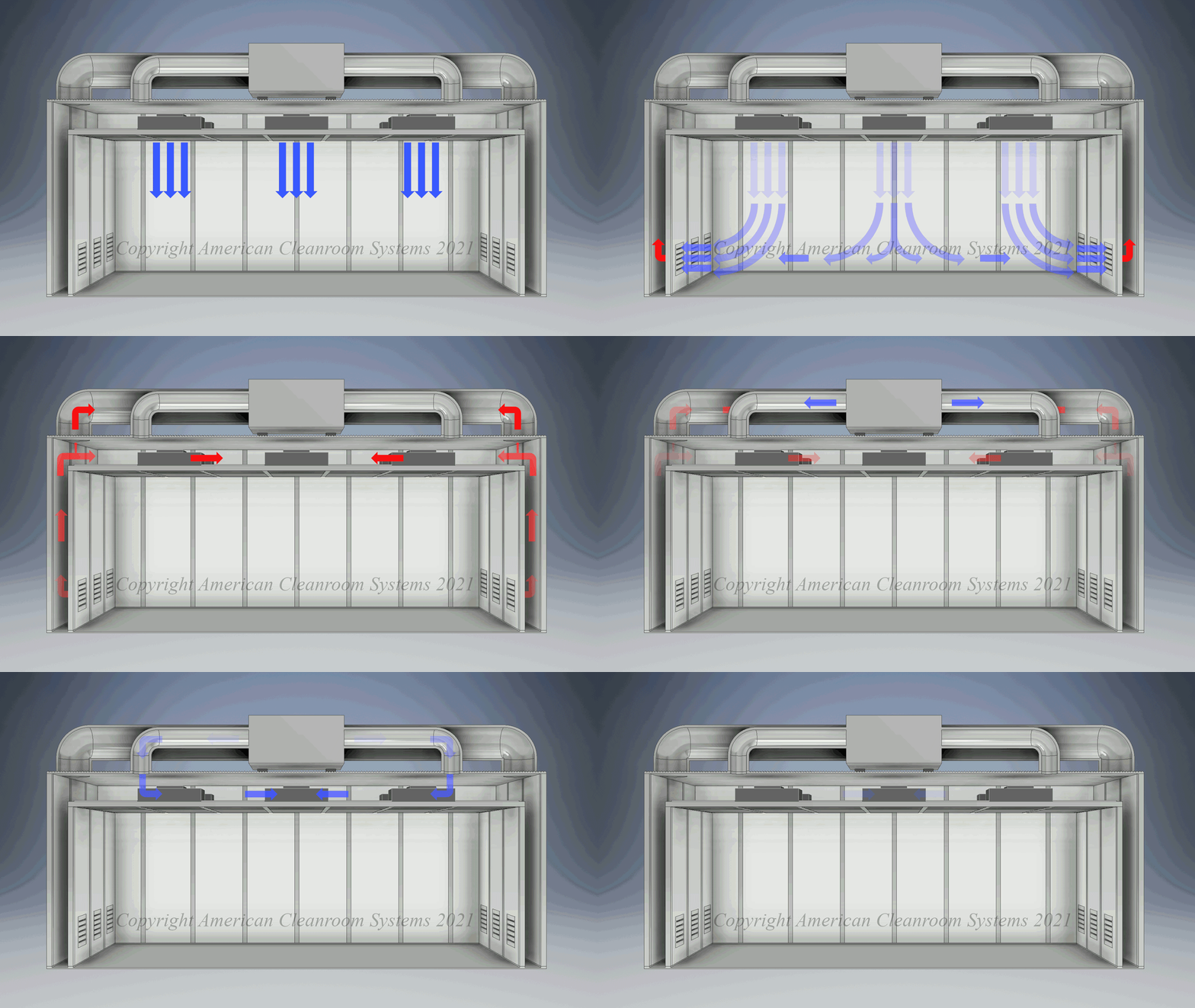
Figure 5. Air flow simulation for recirculating modular cleanroom using plenum and HEPA fan filter units
The mechanical engineer must decide location of HEPA fan filter units to ensure there are no dead spots in each room. The location of the return air walls is of equal importance as the cleanroom air will flow from the HEPA fan filter units in the ceiling to the low wall air returns. In the case of the most demanding class 100 cleanrooms the engineer may opt for raised floor air return to get closest to true laminar air flow.
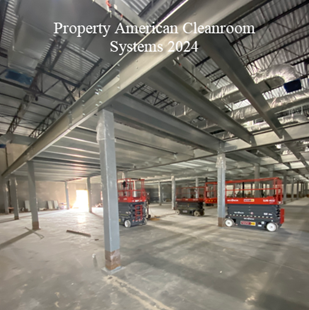
Figure 6. Structural columns and beams of 19,000 SF ISO-6 modular cleanroom
Cleanroom Structural
A mechanical engineer (structural not HVAC) must often do cleanroom structural engineer calcs on cleanroom. The can include columns and beams, footings, structural calcs for building permits, and seismic bracing etc.
Summary: Mechanical engineering plays an important role in cleanroom design. Their involvement includes HVAC, filtration, air flow and structural engineering. HVAC to keep cleanroom cool. Filtration and air flow to ensure cleanroom is desired cleanroom class. Structural to meet building code and ensure cleanroom can support equipment.
Property American Cleanroom Systems 2024
The author Anthony Chien has worked at American Cleanroom Systems for past 11 years. He has more than 40 years of cleanroom experience. Anthony has a BS and MS in Electrical Engineering specializing in semiconductor manufacturing from the University of Illinois. American Cleanroom Systems is a design build modular cleanroom manufacturer based in Rancho Santa Margarita CA. It is expert in ISO-5 thru ISO-8 (class 100 to class 100k) modular cleanrooms for pharmaceutical cleanrooms, medical device cleanrooms, and industrial cleanrooms.
American Cleanroom Systems® 2025 - Queda estrictamente prohibido el uso o la duplicación no autorizados de este material sin la autorización expresa y por escrito del propietario de este sitio web. Se permiten extractos y enlaces, siempre que se otorgue el crédito completo y claro a American Cleanrooms y se indique de forma adecuada y específica el contenido original.


 English